Gardeners
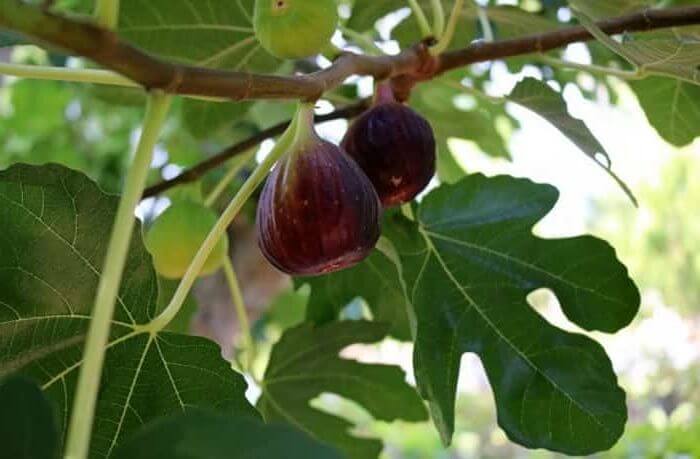
Growing figs in the open air, care and multiplication
The fig (fig, fig tree) is an exotic long-lived tree with delicious fleshy fruits. The plant grows well in warm climates, very demanding to the temperature of the air and soil. In order for it to regularly bring an abundant harvest, you need to know how to grow figs correctly.
Is it possible to grow figs at home
Growing figs at home is a dream come true. In a pot, the plant does not grow taller than one and a half meters. To make the fig tree not only grow but also bear fruit, you need to choose a low-growing variety that does not require pollination. Such figs are easier to harvest and have a neater crown that is easy to shape.
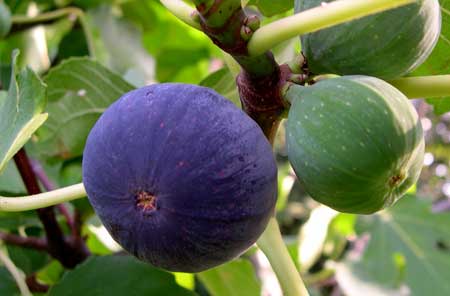
Planting and care
The fig tree is considered to be native to the subtropics, so it is important to provide the fig with optimal growing conditions. Consider the basic rules for planting and caring for figs in the open air.
How to choose a place for figs in the garden
To figure out where to plant figs on a plot, walk around the south side of the plot. Choose the brightest and most constantly lit place in the garden, protected from the wind. The tree grows well on flat terrain and uplands, but does not do well in lowlands, as cold air accumulates there.
Planting dates for figs
Planting figs is done in early spring so that they have time to take root before the cold weather. The optimal time for planting seedlings is immediately after the snow melts. Depending on the place it is about the second half of March. If the figs do not have time to establish themselves in the ground, they will most likely not survive the winter. So do not delay planting it.
Buying planting material
When buying fig seedlings, choose two-year-old plants with 2 side shoots that have already developed buds. Older plants are more difficult to root when planted. Also avoid seedlings with damage to the bark, roots and shoots. Such plants are weakened and may take a long time to become ill or even die.
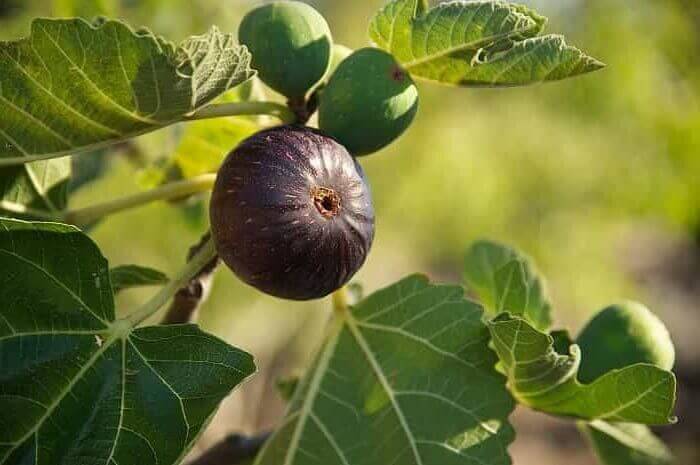
Propagation by cuttings
Young green fig cuttings are used to obtain seedlings. The lower branches of an adult plant are cut off and placed in a nutrient solution for 12 hours. The length of the cuttings should be 10 to 15 cm. They are then dipped in ashes and placed in soil for a month until they have formed roots. Another way is to cut fig cuttings in autumn and store them in damp sand in a warm place.
Propagation by seed
Growing figs from seeds is a longer process. The seeds are taken from overripe fruits, washed with water and dried. In spring, they are sown into the ground to a depth of 3 cm and covered with polyethylene until they sprout. Transplant fig sprouts into the open ground can be transplanted in two years, when the seedlings get stronger and fully form the root system and lateral shoots.
Planting Features
Plant figs in a deep hole of 80x80x100 cm, the walls of which are lined with bricks to prevent overgrowth of the root system. At the bottom lay drainage thickness of 20-30 cm of claydite or small stones. Soil mixture for seedlings is prepared from 2 parts of ordinary soil, 1 part bone meal, 1 part crushed stone and 500 g of complex fertilizer for fruit trees.
How do I plant figs to make them take root? When planting, tilt the trunk 40 degrees with the top facing south. This will make it easier to bend the branches to the ground and cover them for the winter. Water the seedlings generously with warm water and mulch the soil with a thick layer of hay or sawdust.
Watering
The frequency and volume of watering depends on the age of the tree. Young plants in the first year after planting are watered once a week with 5-10 liters of water. In the second year, the fig tree should be watered 2 times a month with 10 liters of water. During the ripening period, watering should be discontinued.
Feeding scheme
Outdoor fig care includes fertilizing the tree twice a month. Nitrogen-rich fertilizers are applied in the spring and summer before flowering. When the tree blossoms, phosphates should be applied for better fruit setting. During the ripening period of figs, the tree is fed with potassium for a good harvest. Complex micronutrients are also applied every month to allow the plant to develop. Fertilizing is done only after watering, at sunset, so as not to burn the roots.
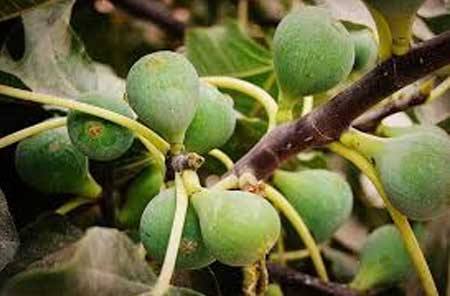
Flowering and fruiting
A unique feature of the fig tree is hidden flowering in formations that are outwardly indistinguishable from the fruit. There are three types of fig tree - male, female and self-bearing. The advantage of the latter type is that fruit can be set on the tree without pollination, which makes it much easier. If an adult plant does not produce a crop, it is likely that pollination is required for the variety you choose to bear fruit. This problem can be solved by grafting a branch of another tree onto the fig.
Pruning and crown formation
In the first year after planting a fig tree, a shaping pruning is done. For bush figs, the main main branch is left and the other branches are cut back to the base. A year later, the main branch is cut back to the bud. As a result, after two years, the fig tree will have formed skeletal main branches. In the third year, all branches growing outward should be shortened. Afterwards, during pruning, only weakened shoots should be removed and the growths should be pruned to prevent the tree from growing upwards.
Popular fig varieties
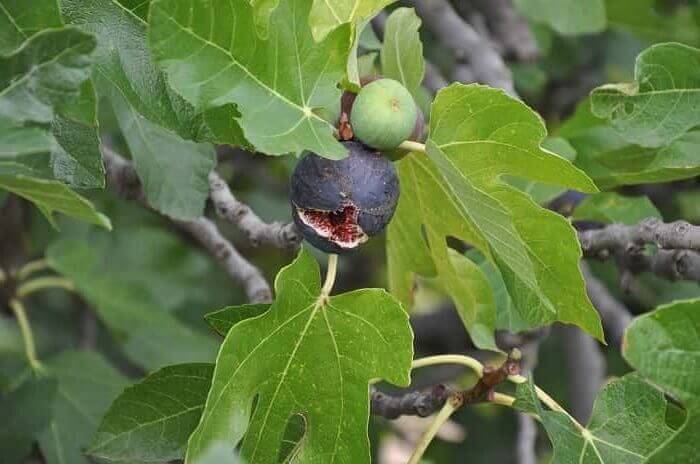
Experienced gardeners recommend choosing self-fertile varieties that do not need pollination. The most popular of them are: "July early" - bears fruit twice a season, defenseless against the cold; "Dalmatian" - the most resistant to frosts. Fruits with a gray-green rind and a pleasant sour-sweet taste; "Kadota" yields oval-shaped fruits with a sweet taste.
Conclusion
Care of figs, although it has its own nuances, but it is not so difficult. If all the conditions are met, the fig tree is sure to bring you an abundant harvest of large fruits and decorate the plot with dense spreading greenery.